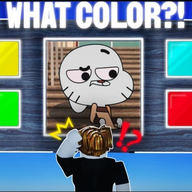
Mastering 'Guess the Character Color Anime Characters': Your Ultimate Guide
Dive into the vibrant world of anime character colors! Learn strategies, discover iconic palettes, and ace 'Guess the Character Color' challenges with this comprehensive guide.
The Allure of Color in Anime Character Design
Anime, with its distinctive art style and compelling narratives, often uses color as a powerful storytelling tool. From the fiery red hair of a hot-headed protagonist to the serene blue of a wise mentor, character colors are not just aesthetic choices; they convey personality, powers, and even plot points. Understanding these visual cues is key to excelling in games like "Guess the Character Color anime characters," a popular genre that tests fans' knowledge of their favorite series. This guide will help you sharpen your skills and deepen your appreciation for the colorful world of Japanese animation, making you a master of "Guess the Character Color anime characters" challenges.
These engaging games challenge players to identify beloved anime figures based solely on their dominant color palette. It's a fantastic way to engage with the medium, proving just how well you know the visual identities of hundreds of characters. Whether you're playing for fun or striving for a perfect score, recognizing the nuances of anime character colors can elevate your gaming experience and showcase your true otaku prowess.
Decoding Anime Color Psychology: More Than Just a Shade
Colors in anime are rarely arbitrary. They are meticulously chosen to evoke specific emotions, symbolize traits, or even foreshadow events. A character's primary color scheme can instantly communicate their role or disposition. For example, red often signifies passion, aggression, or heroism, while blue might represent calmness, sadness, or intelligence. Green can be associated with nature, healing, or envy, and yellow with cheerfulness, energy, or sometimes cowardice.
Understanding this underlying color psychology is a powerful strategy for any "Guess the Character Color anime characters" enthusiast. It allows you to make educated guesses even for characters you're less familiar with, by inferring their personality from the colors presented.
Common Color Tropes in Anime
Anime frequently employs recurring color themes. Here's a brief overview of some common associations:
Strategies for Acing "Guess the Character Color Anime Characters" Games
Whether you're facing off against a friend in a 1v1 duel or trying to achieve a perfect score, having a solid strategy can significantly improve your performance. These games, often found on platforms like Roblox (where community reports indicate millions of visits for general character color guessing games), can be highly competitive.
Core Strategies to Master
- Focus on Dominant Colors: Many characters have a complex palette, but usually, one or two colors stand out. Is it their hair color? Their main outfit? Their aura? Identify the most prominent shade first.
- Recall Key Features: Beyond just color, think about distinctive features. Does the character have a unique hairstyle often associated with a particular color? Are they always wearing an iconic piece of clothing?
- Genre Knowledge: Certain genres lean towards specific color schemes. Magical girl anime might feature bright, pastel colors, while dark fantasy could use more muted or monochromatic palettes.
- Character Background: A character's powers, personality, or backstory often dictate their color scheme. A fire user will likely have reds or oranges, while an ice user might have blues or whites.
- Practice, Practice, Practice: The more anime you watch and the more you play these games, the better you'll become at recognizing patterns and associating colors with specific characters.
Advanced Tips for Competitive Play
- Think Beyond the Obvious: Sometimes, the game might present a less obvious color. For instance, a character known for their blue hair might have a signature red accessory that is highlighted. Pay attention to all elements.
- Consider Transformations: Many anime characters have different forms or power-ups, each with its own distinct color scheme. If a character is presented in a transformed state, their color might change dramatically.
- Study Character Sheets: For serious players, looking at official character sheets or concept art can reveal the exact color codes and dominant hues intended by the creators.
- Engage with the Community: Discussing challenging characters with other players can reveal insights or lesser-known color details. Community reports from games show that achieving "perfect scores" can be incredibly rare (sometimes less than 1%), indicating the challenge and depth these games can offer.
Iconic Anime Characters and Their Unmistakable Palettes
Some anime characters are so iconic that their color scheme is instantly recognizable, even without seeing their full form. These are the ones you'll definitely want to know for any "Guess the Character Color anime characters" challenge.
A Gallery of Memorable Hues
These characters are just a few examples, but they highlight how integral color is to their visual identity. A quick glance at a splash of orange and blue can immediately bring Goku to mind, or yellow and black instantly screams Pikachu.
Beyond Simple Identification: Color Theory and Anime Depth
For those who want to delve deeper, the use of color in anime extends beyond mere identification for games. It's a sophisticated artistic choice that adds layers of meaning.
Exploring Color Harmony and Contrast
Anime artists often use color theory to create visually striking scenes and character designs.
- Complementary Colors: Using colors opposite each other on the color wheel (e.g., red and green, blue and orange) creates high contrast and visual pop. This is often used for rivals or opposing forces.
- Analogous Colors: Using colors next to each other on the color wheel (e.g., blue, blue-green, green) creates harmony and a sense of unity. This can be used for teams or characters with similar traits.
- Monochromatic Schemes: Using different shades, tints, and tones of a single color can create a sense of mood, focus, or simplicity.
Understanding these artistic principles can not only help you in "Guess the Character Color anime characters" but also enhance your appreciation for the artistry behind your favorite shows.
The Popularity of "Guess the Character Color" Games
The appeal of "Guess the Character Color" games lies in their simplicity and their ability to tap into a universal love for pop culture. While the specific keyword here is "Guess the Character Color anime characters," many games encompass a wider range of characters. For instance, one popular Roblox game titled "Guess the character color" boasts over 6.7 million visits and thousands of active players, featuring characters from various franchises like Gumball and Peppa Pig. This demonstrates the broad appeal of the format.
These games often incorporate competitive elements, such as 1v1 duels, where players face off to see who can identify characters fastest. Some even include humorous rewards for victory, adding an extra layer of fun to the experience. The high engagement metrics and dedicated player bases for these games highlight their addictive nature and the joy players find in testing their character knowledge.
Why Are These Games So Engaging?
- Accessibility: Easy to understand and play, requiring minimal instruction.
- Nostalgia: Taps into players' memories of beloved characters from childhood and current favorites.
- Competitive Fun: The 1v1 duel format encourages friendly competition and bragging rights.
- Knowledge Test: Appeals to fans who enjoy proving their expertise in a given fandom.
- Constant Updates: Many games frequently add new characters, keeping the content fresh and challenging.
The sheer volume of players and visits, as seen in community reports, underscores the enduring popularity of this game genre. Whether it's a dedicated anime version or a general pop culture mashup, the premise of "Guess the Character Color" resonates strongly with a diverse gaming audience.
Creating Your Own "Guess the Character Color" Challenges
Feeling inspired? You don't just have to play these games; you can create your own! This is a fantastic way to engage with friends, test your knowledge, or even develop a small online quiz.
Steps to Design Your Own Challenge
- Choose Your Anime: Select a series with a diverse cast and distinct character designs. My Hero Academia, Demon Slayer, Jujutsu Kaisen, and Naruto are excellent choices due to their large and visually distinct character rosters.
- Select Characters: Pick 10-20 characters. Try to include a mix of main characters, supporting cast, and even some villains to vary the difficulty.
- Isolate Colors: For each character, identify their most dominant colors. You can use image editing software to extract a color palette or simply note down the key hues (e.g., "Goku: Orange, Blue, Black").
- Design the Prompt: Decide how you'll present the challenge. Will you show only a small color swatch? A blurred image? A silhouette with a color overlay?
- Set the Rules: How many guesses are allowed? Is there a time limit? What are the scoring criteria?
- Share and Play! Host a game night, create an online quiz, or challenge friends via social media. The process of creating your own "Guess the Character Color anime characters" game can be just as fun as playing!
For more inspiration on anime characters and their designs, you can explore comprehensive databases like MyAnimeList, which offers extensive information on virtually every anime series and character ever created. This can be an invaluable resource for both playing and creating your own challenges.
Conclusion: The Colorful World Awaits
"Guess the Character Color anime characters" games are more than just simple pastimes; they are a celebration of anime's rich visual language and the iconic designs that have captivated millions worldwide. By understanding color psychology, studying character palettes, and employing smart strategies, you can elevate your game and become a true master of anime color recognition.
From the fiery reds of a Shonen hero to the cool blues of a stoic warrior, every hue tells a story. So dive in, practice your discernment, and enjoy the vibrant challenge of identifying your favorite characters by their unforgettable colors. The next time you encounter a "Guess the Character Color anime characters" challenge, you'll be ready to achieve that perfect score and perhaps even "fart on your opponent if you win," as some community-made games humorously suggest!
FAQ
Q1: What makes "Guess the Character Color anime characters" games so popular?
A1: These games are popular due to their accessibility, the nostalgic appeal of recognizing beloved characters, the competitive fun of challenging friends, and the satisfaction of testing one's knowledge of anime. They offer a unique way to engage with fandoms.
Q2: Are there specific strategies to improve my score in "Guess the Character Color anime characters" games?
A2: Yes, key strategies include focusing on dominant colors, recalling distinctive character features, understanding genre-specific color schemes, and considering a character's background or powers. Consistent practice and studying diverse anime characters are also crucial.
Q3: Where can I find "Guess the Character Color" games that feature anime characters?
A3: Many community-made games on platforms like Roblox incorporate general character color guessing, often including anime characters. You can also find fan-made quizzes and challenges on social media or dedicated anime fan sites.
Q4: How does color psychology relate to "Guess the Character Color anime characters"?
A4: Color psychology is highly relevant because anime creators intentionally use colors to convey character personality, powers, and emotional states. Understanding these common associations (e.g., red for passion, blue for calmness) can help you infer a character's identity based on their color scheme, even if you don't instantly recognize them.
Related Guides
Guess the Character Color Cartoon Characters Guide
An in-depth look at the cartoon characters and 1v1 duel mechanics in the Roblox experience Guess the Character Color by CineStars.
Master the Art of Guessing Character Color: Disney Characters Edition
Dive into the vibrant world of Disney! Learn strategies and fun facts to excel at 'Guess the character color' games featuring your favorite Disney characters.
Mastering Guess the Character Color: Boosting Your Character Recognition Skills
Dive into 'Guess the Character Color' on Roblox and sharpen your character recognition abilities. Learn strategies, tips, and how to achieve a perfect score!
Unmasking the Rainbow: A Deep Dive into Guess the Character Color Characters on Roblox
Explore the vibrant world of Guess the Character Color on Roblox! Discover popular characters, strategies, and tips to master this unique guessing game.